Beyond FOCAC: what China's new Africa playbook means for investors
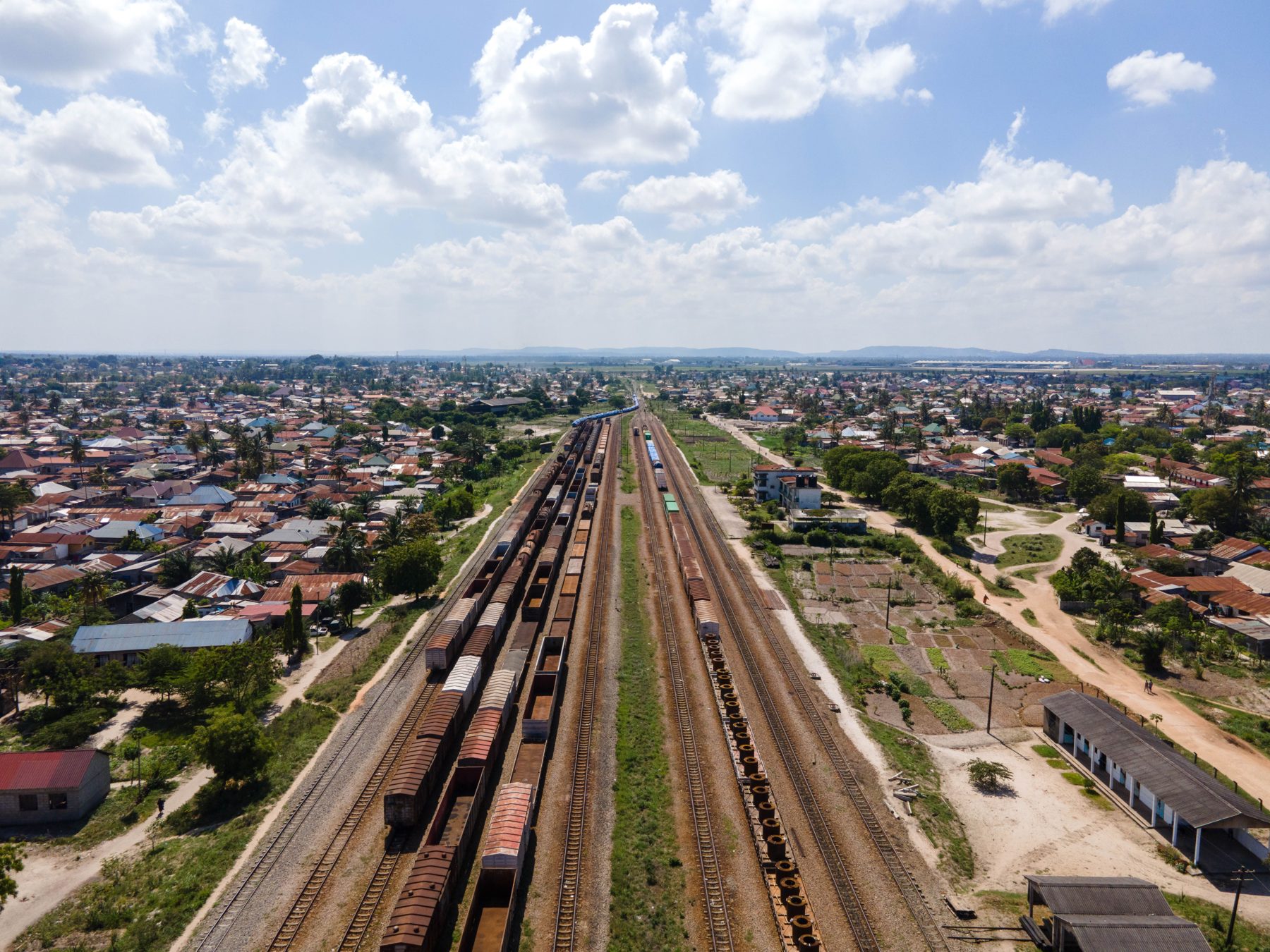
Beijing is moving from mega-infrastructure to "small and beautiful" projects, and that changes how investors should approach the continent.
Request the briefGeostrategic Consulting · Africa-Asia
AfriAsia Group advises governments, investors, global companies and universities on the political risk, geopolitics and culture shaping the Africa-Asia nexus. We work on the ground in the US, Africa and East Asia.
Working across three markets
We draw on research from
Our Expertise
Your exposure to the Africa-Asia nexus is specific, and so are your questions. We choose the analytical approach that fits, looking at each issue through three lenses: risk, geopolitics and culture.
Forward-looking assessments of elections, policy changes, resource nationalism and security across African and Asian markets.
Learn moreScenario analysis of how China, Japan, Korea, India and the Gulf states engage Africa, and how African governments use that competition to their advantage.
Learn moreAdvice on language, soft power and cross-cultural negotiation, the areas where deals between Africa and Asia are won or lost.
Learn moreCountry and counterparty intelligence for capital moving between continents, from first entry to partner vetting.
Learn moreStress tests of your strategy against political shocks: coups, sanctions, debt distress and supply chain disruption.
Learn moreBriefings, keynotes and custom reports that keep your team and board ahead of the Africa-Asia agenda.
Learn morePlain-language briefings for members of Congress and their staff on how Asia and Africa are shaping each other, from critical minerals to trade, education and influence, tailored to the questions your office is working on.
Learn moreHow We Work
Every client works with a senior advisor who learns the organization and sets a research agenda around its exposure. That advisor draws on our network across three continents.
For Universities & Colleges
Across the United States, African Studies programs are losing budget, faculty lines and, in some cases, entire centers and Title VI capacity. Student demand, donor commitments and institutional strategy have not changed. We call that gap programmatic risk: the institution still needs the program but no longer has the people to run it.
AfriAsia Group lets you keep the parts of your Africa and international programs that students still want, by outsourcing them to a dedicated expert team at a fraction of the cost of the staff you lost.
The exposure a university carries when a program students still want loses the staff, expertise or continuity needed to deliver it, along with the enrollment, funding and standing that erode with it.
Run your African Studies center, Title VI grant and federal reporting without a full-time director. We take on the administration and compliance work that protects your funding and accreditation.
We design and run Africa study abroad programs from start to finish, including logistics, safety, faculty support and vetted host institutions.
We negotiate, launch and manage MOUs, faculty exchanges and dual-degree pipelines with credible African and Asian institutions.
We recruit qualified, full-paying students from African and Asian markets that remain open under current US policy, using our own networks there.
Guest-taught, co-taught or fully delivered courses on Africa and Africa-Asia relations, so your catalog stays current and enrolled without a new hire.
A senior Africa specialist on call for a fraction of a faculty line, advising students, faculty and leadership when they need it.
Before you cut a program students still want, talk to us. A short Programmatic Risk Assessment shows what can be preserved and what it would cost to outsource compared with losing it.
The AfriAsia Advantage
We produce custom geostrategic intelligence that helps clients spot opportunity, manage exposure and act before the news breaks.
Active coverage across the US, Africa, and East Asia.
Two decades of work on Africa and Asia.
Risk, geopolitics, and culture on every engagement.
A senior point of contact for every client.
Insights
Beijing is moving from mega-infrastructure to "small and beautiful" projects, and that changes how investors should approach the continent.
Request the briefCobalt and copper now carry the strategic weight oil once did, and the political risk premium is rising faster than prices.
Request the briefFrom AI platforms to soft power, African languages have become a front in great-power competition.
Request the briefCritical Minerals Watch
A snapshot of the Africa-Asia race for rare earths and critical minerals, compiled from public reporting.
The real contest is over who processes Africa's rare earths, not who mines them. Governments that hold out for refining capacity, and not just offtake agreements, will capture far more of the value.
AfriAsia Group ResearchChina's rare earth leverage expires Nov 10, and Beijing is weighing an extension, selective controls or full reinstatement.
FXStreet, Oct 14, 2026EU secures continued fast-track rare earth licence approvals from China, but export controls stay in place.
Tech Times, Oct 13, 2026Beijing's November 10 deadline shows how quickly supply from China can change. That raises the value of African processing capacity, and of governments that line up partners before the next squeeze.
AfriAsia Group ResearchIndia and Japan are exploring joint investment in African critical minerals, though no formal working group exists yet and delivery remains untested.
The Guardian Tanzania, Oct 16, 2026African Mining Week opens in Cape Town, where Egypt's deputy industry minister cites about 30% of global mineral reserves in Africa and calls for closer regional cooperation.
Xinhua, Oct 14, 2026Regional integration is needed to add value to critical mineral mining across southern Africa.
Mining Weekly, Oct 13, 2026Speak With an Africa-Asia Expert
Tell us about your organization and what you are working through. A senior advisor will follow up directly, with no obligation.
Tell us about your exposure to the Africa-Asia nexus, and we will tell you what we see.